
Shepherding Through Sorrow
Pastoring When the Flock Is Grieving

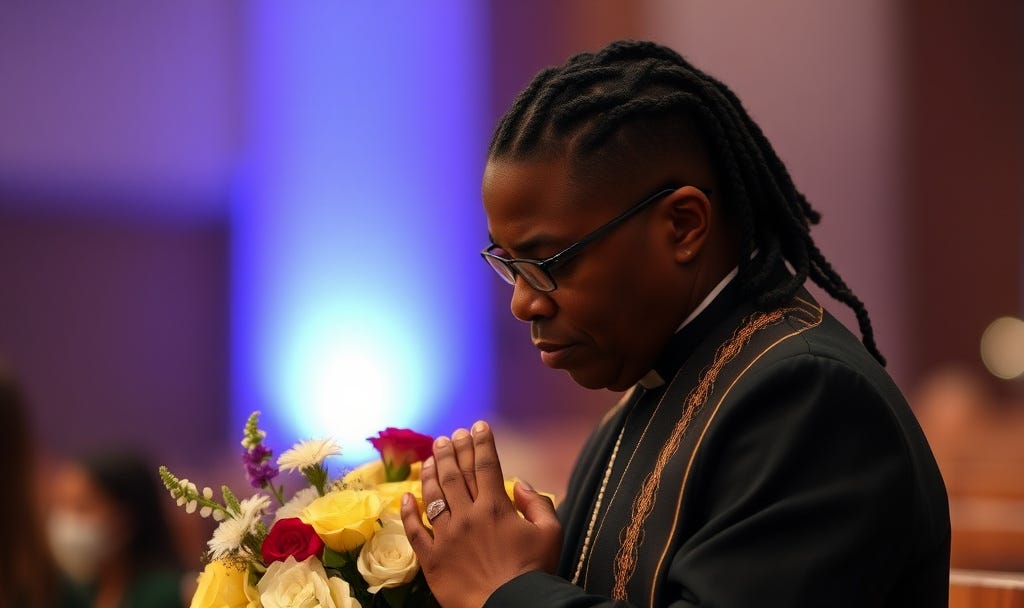
There are moments in ministry that no seminary course can fully prepare you for. Standing beside a grieving family. Looking into the eyes of a congregation that has lost one of its own. Holding together a community that feels the weight of absence. Pastoring through death is not theoretical. It is deeply personal, profoundly spiritual, and emotionally costly.
To pastor is to shepherd. And shepherds do not abandon the flock when the valley grows dark. In fact, it is in seasons of grief that pastoral presence matters most.
1. The Pastor Must Grieve Too
One of the unspoken tensions in ministry is the expectation that the pastor must remain strong for everyone else. While there is truth in being a stabilizing presence, there is danger in suppressing your own grief.
You are not only a leader. You are also a human being who builds relationships, shares life, and loves people deeply. When a member passes, you are not just officiating a service. You are mourning a person you knew.
Jesus Himself wept at the tomb of Lazarus. He did not rush past grief to get to resurrection. He paused long enough to feel the weight of loss. That moment reminds us that grief is not weakness. It is evidence of love.
Healthy pastoring makes room for honest emotion. It allows the pastor to lament privately, even while leading publicly. It embraces the truth that you cannot guide others through grief if you refuse to acknowledge your own.
2. Presence Over Perfection
In times of loss, people rarely remember the eloquence of your words. They remember your presence.
You may feel pressure to have the perfect scripture, the right theological explanation, or a polished eulogy. But grieving hearts are not primarily asking for answers. They are longing for assurance that they are not alone.
Sometimes the most powerful pastoral act is simply showing up. Sitting in silence. Holding a hand. Offering a prayer that may be more tears than words.
There is a sacred ministry in presence. It communicates what sermons sometimes cannot: that God is near to the brokenhearted, and that His shepherds reflect that nearness.
3. Holding Theology and Humanity Together
Pastors walk a delicate line between proclaiming hope and honoring pain.
We believe in resurrection. We preach eternal life. We stand firmly on the promises of God. Yet, we must never weaponize theology in a way that dismisses real grief.
Telling someone “they’re in a better place” too quickly can unintentionally silence their sorrow. The truth may be correct, but the timing may not be compassionate.
Wisdom in pastoral care means knowing when to speak hope and when to sit in silence. It means allowing lament to breathe while gently pointing toward promise.
The Psalms give us language for this balance. They cry out in anguish while clinging to God’s faithfulness. As pastors, we are called to model both.

4. The Weight of Repeated Loss
In many congregations, especially close-knit ones, death does not come as a single moment but as a season. Multiple losses in a short period can create cumulative grief within the church.
As a pastor, you may find yourself moving from hospital visits to funerals to Sunday worship without space to process any of it. Over time, that weight can become overwhelming.
It is essential to recognize this reality and respond intentionally.
Give yourself permission to rest. Lean on trusted leaders. Share the load of ministry when possible. Create moments for corporate grieving within the church, whether through prayer services, moments of remembrance, or intentional liturgy.
A grieving congregation needs a present pastor. But a present pastor also needs support.
5. Preaching to the Brokenhearted
When death has touched the church, every sermon changes.
Even if the text is not directly about grief, the emotional climate of the congregation must be considered. People are listening through the lens of loss.
This does not mean every message becomes a funeral sermon. But it does mean preaching with heightened sensitivity, deeper compassion, and intentional hope.
Speak to the pain without exploiting it. Point to Christ without bypassing the cross. Remind the congregation that God is not distant in their sorrow.
There are moments when the pulpit becomes less about proclamation and more about pastoral care. In those moments, your tone, your pace, and your posture matter as much as your content.
6. Walking With Families Beyond the Funeral
One of the greatest pastoral responsibilities is continuing care after the service ends.
Grief does not conclude at the graveside. In many ways, it begins there.
Families often receive an outpouring of support immediately following a loss, only to experience silence in the weeks that follow. This is where intentional pastoral follow-up becomes critical.
A phone call weeks later. A visit on a difficult anniversary. A simple message that says, “I am still praying for you.” These gestures carry immense weight.
They remind grieving families that they have not been forgotten, and that the church remains a source of support.
7. Anchoring the Church in Hope
While grief is real, it is not final for the believer.
Pastors are called to anchor their congregations in the hope of the gospel. Not in a way that dismisses sorrow, but in a way that sustains faith.
We serve a risen Savior. Death does not have the last word. The grave is not the end of the story.
In seasons of loss, the pastor becomes a voice that gently but consistently reminds the church of this truth. Not loudly. Not forcefully. But faithfully.
Hope, when offered with care, becomes a lifeline for those navigating grief.
Reflection
Pastoring through death is one of the most sacred and challenging aspects of ministry. It stretches you emotionally, spiritually, and physically.
It teaches you that strength is not the absence of tears, but the willingness to stand with others while they fall apart. It reminds you that ministry is not about performance, but about presence.
If you are walking through a season where your church is grieving, take heart. God is with you in your shepherding. He is sustaining you even as you pour into others.
And even in the valley of the shadow of death, the Good Shepherd is still leading His flock.
Prayer
Kind Father, You are near to the brokenhearted and present with those who grieve. Strengthen every pastor who is carrying the weight of loss within their congregation. Give them wisdom to lead, compassion to comfort, and endurance to continue.
Teach us to reflect Your heart in moments of sorrow. Help us to sit with those who mourn, to speak hope with gentleness, and to trust You even when the pain feels overwhelming.
Remind us that death is not the end, and that in Christ, we have the promise of life everlasting. Until that day, sustain us with Your presence and guide us with Your peace.
In Jesus’ name, Amen.